• It’s been almost two years since my 2020 reading list came to a close, which seems like a good time to look back at it—both because 2022 is days away, and because it’s a unique perspective to see which books really stuck with me.

    It was also a particularly interesting year, not in the least because of COVID-19. It was also the year I left my corporate job and starting running my video production company full time. As has happened in the past, the content of what I read shifted dramatically.

    So without further ado, here is what I read in 2020.

    1. 4/3/18-6/9/20: Oathbringer, by Brandon Sanderson (ebook)
    2. 10/22/19-2/4/20: Deep Work, by Cal Newport (ebook)
    3. 12/15/19-1/18/20: Write a Novel Outline from Scratch, by Andrew Butcher (ebook)
    4. 1/2-10: Play The Man, by Mark Batterson (audiobook)
    5. 1/10-13: Praying Circles Around Your Children, by Mark Batterson
    6. 1/14-22: Manage Your Day to Day, edited by Jocelyn Glei (audiobook)
    7. 1/18-2/9: Writing Wonder, by David Farland
    8. 1/22-: What’s Best Next, by Matthew Perman (didn’t finish)
    9. 2/20-3/29: Praying Circles Around Your Marriage, by Joel and Nina Schmidgall with Mark Batterson (audiobook)
    10. 2/21-8/7: The Perfect Dad, by Rob Stennett (ebook)
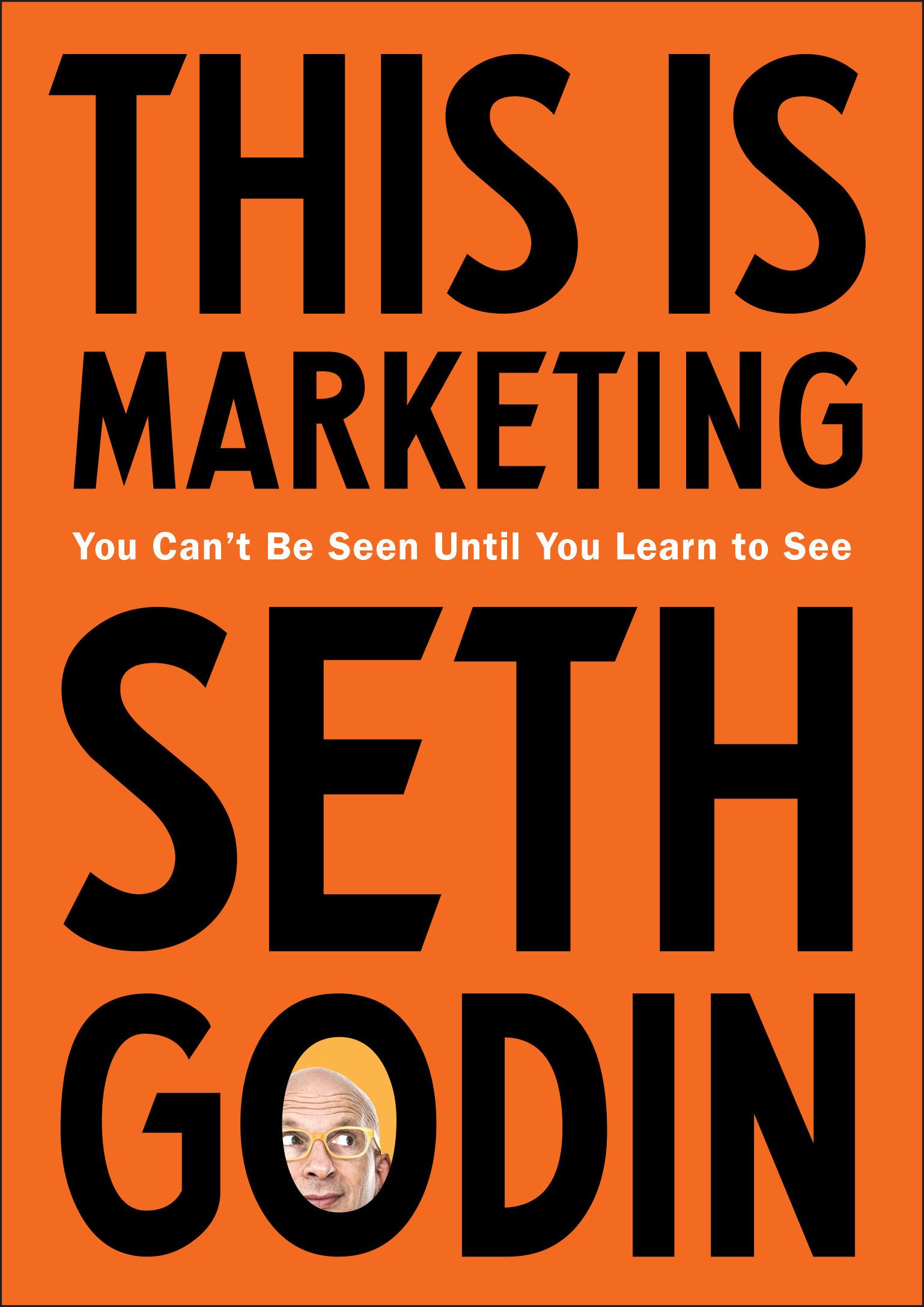
    11. 2/21-4/3: This is Marketing, by Seth Godin (ebook) – didn’t finish but got good points
    12. 2/29: The Four Laws of Financial Prosperity, by Blaine Harris (audiobook)
    13. 2/29-3/5: The Emperor’s Soul, by Brandon Sanderson (audiobook
    14. 3/4-3:12: Growth Hacker Marketing, by Ryan Holiday (audiobook)
    15. 3/10-: The Montessori Toddler, by Simone Davies (audiobook, didn’t finish)
    16. 3/10-: Atomic Habits, by James Clear (print, didn’t finish)
    17. 3/18-4/3: Digital Minimalism, by Cal Newport (ebook) – didn’t finish but got good points
    18. 4/1-4/24: Rich Dad, Poor Dad, by Robert Kiyosaki (audiobook)
    19. PAUSED – 4/4-: Free to Focus, by Michael Hyatt (ebook)
    20. 4/13-5/4: The Oath, by Frank Peretti (audiobook)
    21. 5/8-: Save The Cat, by Blake Snyder (didn’t finish)
    22. 6/17-:White Fragility, by Robin DiAngelo (didn’t finish)
    23. 7/16: Infinity Blade: Awakening, by Brandon Sanderson
    24. 7/29: Profit First, by Mike Michalowicz
    25. 8/14: Failing Forward, by John C. Maxwell
    26. 9/3: The Great Degeneration, by Niall Ferguson
    27. 9/15: Harry Potter and the Deathly Hallows, by J.K. Rowling
    28. 9/20: The Gifts of Imperfection, by Brene Brown
    29. 10/4: The Collapsing Empire, by John Scalzi
    30. 10/5: The Codex, by Douglas Preston
    31. 10/9: The 4 Habits of Joy-Filled Marriages, by Marcus Warner and Chris Coursey
    32. 10/9: Bookkeeping: Step by Step Guide to Bookkeeping Principles & Basic Bookkeeping for Small Businesses, by Mark Smith
    33. Get to the Point, by Joel Schwartzberg (audiobook)


    Retrospect

    First, I’m amazed I read this many books in such a crazy year. I think the only reason that happened is we sold our house and I did a lot of painting. (Hence the many audiobooks.)

    Second, the content shifted away from management books (I was previously a manager) to business books. When I start something new my go-to is read any book I can find on the subject, and being a business owner was no exception.

    Third, I stopped tracking the date I started a book. I had done this for the past decade, mostly to see how fast I read a book. However, I’ve started then stopped several books lately and it became to cumbersome to write down when I started. So I’ve moved to just recording the finish date. I also am trying to be okay with not finishing books, so you saw a few of those on the list.

    Lastly, looking back at this list I notice one big thing: two years later, I have forgotten most of these books. I remember that I read them (mostly), but for most of them I couldn’t tell you the important points or what I learned from it. This strikes me as not great. I’ll talk about this later.

    So in all these books, which ones did stand out?

    Favorite Books

    FICTION

    I don’t remember a thing about Douglas Preston’s The Codex. John Scalzi’s The Collapsing Empire is the second book of his I’ve read and it had the same trademark snark and inventive world. Brandon Sanderson is still a perennial favorite. Finally finishing the Harry Potter series was a long time coming and, no surprise, satisfying for the series. The highlight, however, was The Oath by Frank Peretti. I hadn’t read it since high school, but it still thrilled and gripped me just as much as the first time I read it over 20 years ago.

    NON-FICTION

    A spattering of non-fiction filled 2020’s list, from productivity to finance. My favorite by far was Deep Work by Cal Newport. It inspired me to focus and want to work at a deeper level creatively than I had in the past. It was also my first time reading such a data- and study-heavy topic, and man I loved it.

    BUSINESS

    Since I started running my video business full-time, I immediately started trying to find books on the subject. Get To The Point by Joel Schwartzberg was an appropriately short book on being a better speaker. The tips were practical and easily applicable.

    The top book for me was Profit First by Mike Michalowicz. It’s a simple budgeting approach to making sure your business is operating in the black from the get-go. I also appreciated his focus on sustainable growth, rather than paying off past spending with promise of future revenue. (Setting the system in motion proved to be a nightmare of bank accounts, though. I don’t recommend that part.)

    MARRIAGE/FAMILY

    Praying Circles Around Your Children was an excellent book by Mark Patterson, as was The Perfect Dad by Rob Stennett. I’m sad to see I only read three family books in 2020, so I hope to increase that percentage.

    Wrap-up

    As I mentioned earlier, I’m surprised at how many books I read in the crazy year of 2020—and I’m saddened at how little I retained. The point of reading for me (non-fiction at least) is to learn and grow. Quantity over retention doesn’t help that. If I can’t remember what I read, or if it doesn’t tangibly affect my life going forward, what’s the point?

    It’s a bit hypocritical to write this as 2021 comes to a close. Any course correction I could recommend here for 2020 would be too late to apply to 2021. But since I’m already here, this is what I would like to change:

    • Re-read the most meaningful books
    • Write a blog post about each book when I finish, recapping top points and summarizing in my own words what I learned
    • Decide practical steps to insert what I’ve learned into my daily life

    Looking back at 2019 Action Points

    One main thing I wanted to do in 2019’s post was to read certain books in particular quarters. I did not do this. It’s always been hard for me to retread ground I’ve already gone over. Here’s hoping I can change that for next year. (Well, 2022 at this point. Boy I shouldn’t wait two years to write these.)

    I hope you find some of these books useful, and that you are able to read and grow in the coming year!

  • For the past 10 years (well, 11 now that 2020 is almost done), I have kept track of what I’ve read. It’s become a favorite yearly past time, to look back over the books I was able to read, what I learned, and which ones stood out.

    Now that the 2010s are wrapped up, I wanted to look back over what I’ve read in the whole decade and see which books still resonate and are memorable. Even years later, there are some books that made such an impression, I can still very much remember them.

    Altogether, I listed 247 books as finished between 2010-2019. Half of those years I read over 30 books, while the other half were under 20.

    So, without further ado, here are the memorable books I read from 2010-2019:

    Books

    Fiction

    History

    Personal Development

    Jesus

    Family & Marriage

    Writing

    Trends

    • 2010: A good spread of fiction, history, and the theology
    • 2011: A lot of fiction as I started reading Young Adult and Middle Grade
    • 2012: The year I read YA. So much YA….
    • 2013: I slowed down after all the YA and read more thoughtful adult fantasy/sci-fi, and a Tolkien biography
    • 2014: All fiction again except for one Tolkien/Lewis book. 
    • 2015: The year I started reading Harry Potter again
    • 2016: I married the most amazing woman! I read my first marriage books, and also the first of many great recommendations from my wife.
    • 2017: Family/children books joined the list as we had our first baby! I also read only 1 print book, and the rest were ebook/audio.
    • 2018: This was a year of adrenaline reading, always looking for another book to read, until my wife pointed it out. A lot of parenting books are on the list, as well as my first foray into adventure fiction.
    • 2019: I only read 3 fiction books, and I read a couple economics books which was really fascinating. 

    Overall, I can tell my reading is guided by the season I’m in. Writing a YA novel led to reading that category. Marriage and family dominated once those wonderful people entered my life. The same went for management books once I started leading a team.

    Digital books also really took over in 2017. I’ve had a Kindle for a long time, but once family life took off I found myself reading in small spurts, often at work during breaks. It’s a luxury of time to be able to sit down with a printed book, and while I fondly remember that experience from years past, it’s not really practical for me anymore.

    One trend I do see over and over again, especially in recent years, is the adrenaline rush of trying to finish as many books as I can. The excitement of finding a new book and checking it off the list almost overshadows the book itself, and if I’m not careful I can be reading several books at a time and not have any room left in my brain for life. I’m trying to be more aware when that feeling is creeping in.

    The Next Decade

    Looking ahead to another decade of reading, I’d like to adjust a few things:

    • Pay attention to how I’m feeling while reading. I want to focus on the content, and not the adrenaline of checking off another book.
    • Explore more genres. I’m pretty much only focused on fantasy, but would like to explore other genres of fiction, as well as other topics, such as economics.
    • Be intentional about what I’m learning. While seasons of life will always influence my reading, I also want to intentionally learn about new things, such as economics. (Have I mentioned I really liked the economics books?)
    • Look for application. After reading all these non-fiction books, I’m unsure how much has changed my life. I’d like to find ways to process in a deeper way, apply things more directly to my life, and perhaps share what I’m learning in a broader way.

    I’ll talk about this more in my reading list for 2020, but I can feel a shift in my reading as I get older (also approaching a new decade) and responsibilities such as family, leadership, and business grow. So I think the categories are going to change over the next 10 years.

    All in all, I can’t believe I have a decade of reading to look back on! When I first started these posts, it was simply to remember what I read. Now it has become a history record that I look on fondly and proudly and love visited every year, and I’m excited to see what books I discover from 2020-2029!

  • My role at work recently changed, so I’m playing catch-up in learning about marketing. For most of my career I’ve been responsible for making videos, not deciding the content or how they are distributed. Now, as Video Director, I’m actively developing content and involved in conversations about delivery, and more importantly strategy. 

    To that end, I’ve been finding as many books on Marketing as I can find. First up was Growth Hacker Marketingby Ryan Holiday. The growth hacker mindset looks for ways beyond buying billboards to spread the word. (Case in point: when Hotmail launched they included a small tagline at the bottom of each email, “Sent by Hotmail”. This led to exponential growth. 

    The book that has really stood out to me was This is Marketing, by Seth Godin. Seth approaches marketing was a serving instead of getting mindset. He asks three basic questions:

    1. What change are you trying to make? (Non-voters to voters, non-donors to donors)
    2. What promise are you making? (What will the result of the change give people?)
    3. Who are we trying to change?

    It’s that last question that provides the glue of Seth’s approach to marketing. Often marketing attempts focus on reaching “everyone”. But that’s like adding food coloring to the ocean; there won’t be any noticeable effect. But if you add that food coloring to a small kiddy pool, then you’ll see change. 

    So whatever you do (write books or music, create products, provide a service), ask questions until you can get very, very specific on the people you are trying to reach. Then ask yourself what change you want to bring them.


    This is an excerpt from Word & Leaf,
    a newsletter about growing and learning.
    Subscribe here to receive the weekly editions.

  • Processed with VSCO with a6 preset

    We’ve come to it at last: the 10th reading list of our time.

    Ahem.

    When I started keeping track of my reading in 2010, I never pictured what it would look like to have ten years worth of books tracked. Having arrived, I love the feeling of having history behind me, in my own small corner of the world.

    I’ll be doing a retrospective of my reading trends and favorite books over the last decade, but first, I need to write the final reading list of the decade.

    So, without further ado, here are the books I read in 2019.

    1. 7/1/18-2/19: Cambodia’s Curse, by Joel Brinkley (ebook/print)
    2. 12/3-1/23: The Art of Adaptation, by Linda Seger (ebook)
    3. 1/3-6/4: 15 Invaluable Laws of Growth, by John C. Maxwell (audiobook)
    4. 1/4-2/15: Evil and the Justice of God, but N.T. Wright (ebook)
    5. 1/5-2/18: No-Drama Discipline, by Daniel Siegel and Tina Bryson (audiobook)
    6. 2/11-7/4: Make Time: How to Focus on What Matters Every Day, by Jake Knapp and John Zeratsky (ebook)
    7. 2/18-2/20: First Things First, by Stephen R. Covey (audiobook)
    8. 2/25-5/4: Tolkien and the Great War, by Garth John (audiobook)
    9. 3/1-NOT YET FINISHED: The Emotional Craft of Fiction, by Donald Maas (ebook)
    10. 3/27-4/15: Making Vision Stick, by Andy Stanley (audiobook)
    11. 3/27-4/2: What Makes An Effective Executive, by Peter Drucker (audiobook)
    12. 4/10-: Every Good Endeavor, by Timothy Keller (ebook/print/audiobook)
    13. 4/15-5/4: I Promise, by Gary Smalley and Nathan Larkin (audiobook)
    14. 5/3-5/31: The Freelance Manifesto, by Joey Korenman (ebook)
    15. 6/1-20: Starting Out Right, by Larry Burkett (ebook)
    16. 6/27-8/3: Mindful Discipline, by Shauna Shapiro and Chris White (ebook)
    17. 7/7-17:  Being a Dad Who Leads, by John MacArthur (audiobook)
    18. 7/18-8/26: How to Write a Script with Dialogue that doesn’t Suck, by Michael Rogan (ebook)
    19. 7/19-8/8: The Sword of Shannara, by Terry Brooks (audiobook – almost 27 hours! I’ve never been able to do this. Thanks, 2x speed:)
    20. 8/4-20: The Language of Sex, by Gary Smalley & Ted Cunningham (audiobook)
    21. 8/22-27: Sometimes the Magic Works, by Terry Brooks (audiobook)
    22. 8/31-9/5: The Spark and the Grind, by Erik Wahl (audiobook)
    23. 9/10-9/18: The Romanov Ransom, by Clive Cussler and Robin Burcell (audiobook)
    24. 9/27-10/13: Thomas Piketty’s Capital in the Twenty-First Century, by Stephen Kaufmann (ebook)
    25. 10/3-12: The Lost City of the Monkey God, by Douglas Preston (audiobook)
    26. 10/12-21: The Debt-Free Spending Plan, by JoAnneh Nagler (audiobook)
    27. 10/21-31: Dream Hoarders, by Richard V. Reeves (audiobook)
    28. 10/22-NOT YET FINISHED: Deep Work, by Cal Newport (ebook)
    29. 11/11-12/28: The Emperor’s Blades, by Brian Staveley (ebook)
    30. 11/18-NOT YET FINISHED: Mistborn, by Brandon Sanderson (audiobook)
    31. 11/16-12/9: The Common Rule, by Justin Earley (audiobook)
    32. 12/10-18: If Only He Knew, by Gary Smalley (audiobook)
    33. 12/15-NOT YET FINISHED: Write a Novel Outline from Scratch, by Andrew Butcher (ebook)
    34. 12/20-12/30: The Five Love Languages For Men, by Gary Chapman (audiobook)

    Trends

    Last year I read primarily on my phone, but after my thumbs started getting stressed I switched to primarily using my Kindle. And I have loved it! The look of the “page” feels better, my thumbs are less stressed, and it feels really great to read on a singular-use device.

    Looking over the list, I realized that audiobooks were the majority of my books this year. Well, wait a minute—it turns out they were last year as well, by a large margin! It makes sense; if it’s a short audiobook that I can listen to at double speed, I can get through it in about a week.

    I expect this trend to grow in 2020, as my wife and I just discovered Scribd. It’s a monthly subscription of $9.99, but unlike the one book a month that Audible gives you, Scribd gives you access to the whole catalog. I’ve looked at a few websites like this before, but they have never had the catalog that Scribd has. I highly recommend giving it a try. (Disclosure: we do get a small kickback if you use our referral link.)

    Last year I started anxiously reading more and more, until my wife intervened. (Thank you, babe!) The funny thing is, I read about the same number of books this year! I did start to intentional slow down whenever I felt that anxious search for the next book, so I think the key is being intentional with my choices and reading books that are actually engaging for me.

    So in all these books, which ones stand out?

    Favorite Books

    FICTION

    Having read the same 3-5 fantasy authors over the years, I really wanted to try new authors this year. Those turned out to be Terry Brooks and Brian Staveley. The Sword of Shannara is one of those standard fantasy books I’ve always seen but never read, so it was nice to finally read it. It was a bit derivative of Lord of the Rings, but the ending took on its own shape.

    Brian Staveley’s The Emperor’s Blades turned out to be a pleasant surprise. The pace is slower, similar to Jack McDevitt, but each chapter ends with a new revelation and moves the story along well. There is hard language throughout one of the character’s scenes and there are two adult scenes, so consider that in your reading. It was right on the cusp of crossing my personal content line, but there is no question that Brian can write.

    NON-FICTION

    I read more history this year, which was really fun, and I also branched into a new genre: economics. Stephen Kaufmann’s summary of Thomas Piketty’s Capital in the Twenty-First Century was a fascinating read about today’s economical disparities, and Dream Hoarders by Richard Reeves was a great addition.

    On the history side, The Lost City of the Monkey God by Douglas Preston was absolutely fascinating. Finding a lost city in the modern day? Yes, please.

    Lastly, N.T. Wright’s Evil and the Justice of God delved into why evil exists and more importantly how God responds to it. Wright’s style is conversational and he had some really great insights.

    MARRIAGE/FAMILY

    Purely by accident, Gary Smalley turned out to be my favorite marriage author this year; I read three of his books without realizing it. They are all good, and If Only He Knew is going on my list of Books To Read Every Year. It has some many foundational paradigms for loving your wife well year after year, and I know I’m going to need frequent reminders of them. I Promise is also so good, as well as The Language of Sex—you know, just go read all of his books. You won’t be disappointed.

    Mindful Discipline, by Shauna Shapiro and Chris White, shared some really great insights on gentle parenting. Its approach was from a meditation/non-Christ mindset, so the exercises need to be taken with a grain of salt, but the basic skills and strategies felt really in line with how my wife and I want to lead our children.

    PERSONAL DEVELOPMENT

    I read several development books this year, and many of them deserve honorable mentions, such as First Things First by Stephen Covey, Every Good Endeavor by Timothy Keller, and The Freelance Manifesto by Joey Korenman. But there were three that have really stuck with me.

    First is Make Time, by Jake Knapp and John Zeratsky. We live in a day of bottomless distractions, or “infinity pools” as they describe it, and this book gave really great strategies on staying focused and making time for the things you value.

    Second is Deep Work, by Cal Newport. I have heard a lot about this book over the years and finally got to read it. I wasn’t able to finish it before my library loan ran out, but it almost immediately impacted the way I work. I realized I don’t stay very focused when working, and the book laid a strong case for why focus is so important—especially in today’s world. I can’t recommend this book enough.

    Third, The Common Rule by Justin Earley was revolutionary for me in how it approaches habits. Rather than on building them to improve productivity, Justin proposed establishing daily and weekly habits that help us better love God (the 1st commandment) and love people (the 2nd commandment). As the new year approaches, I want to look at how I can implement some (if not all) of the habits Justin proposes.

    WRITING

    Okay, last genre, I promise. I only read a handful of writing books this year, but the stand-out by far was The Emotional Craft of Fiction, by Donald Maas. I actually haven’t finished it yet, but right off the bat it started impacting my writing. Donald lays out specific actions to add emotion and I’ve never heard anything like it.

    This isn’t a writing craft book, but I finally read Tolkien and the Great War, by Garth John. It’s a bit of a dense book, but also full of so much detail about Tolkien’s time in World War I. I’ve read a few of his biographies, but none have covered this time period in such detail. If you want an in-depth look at this earlier part of Tolkien’s life, this is your book.

    Reading in 2020

    I will definitely continue reading on my Kindle this next year. I also want to continue branching into different genres and read a wide spread. Economics turned out to be really interesting, so I might try to find a few more books on that subject.

    I’d also like to actually start reading a certain list of books every year, perhaps one each quarter. So far my list is:

    • Q1: Wild at Heart, by John Eldredge
    • Q2: Cherish, by Gary Thomas
    • Q3: 15 Invaluable Laws of Growth, by John Maxwell
    • Q4: If Only He Knew, by Gary Smalley

    These books have such foundational truths in them that I think I could gain a lot if I read them frequently.

    Lastly, here’s the (on-going) list of books I am (fairly) certain I want to read in 2020:

    • Your Money or Your Life, by Vicki Robin
    • Sacred Marriage, by Gary Thomas
    • 5 love languages of kids, by Gary Chapman
    • Dallas Willard
    • Guy Gavriel Kay
    • Star Wars (starting with Heir to the Empire, by Timothy Zhan)
    • Decision Points, by George Bush
    • Ruthless Elimination of Hurry, by John Mark Comer

    Whew! As I read more genres, these posts get longer to recap. But I’ve come to enjoy the retrospection at the end of the year, as well as looking forward to the next year.

    I hope you find some of these books useful, and that you are able to read and grow in 2020! And if you’re a fan of audiobooks, give Scribd a try.
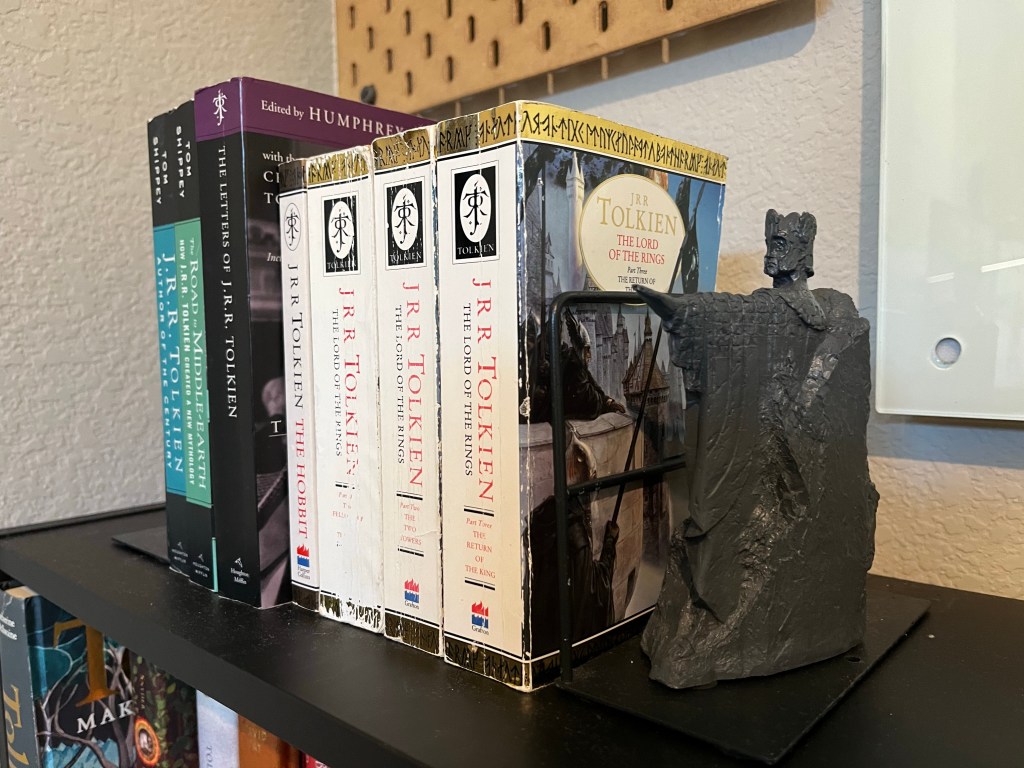
     

  • Well, look at that. It’s almost time for 2019’s list. Sometimes life gets away from you—or you start reading a bunch of new books and don’t finish up last year’s list. But I still think it’s better late than never! I’ve been posting these lists for several years now, and a year’s reading doesn’t feel complete until I do.

    So, without further ado, here are the books I read in 2018:

    1. May 2017-4/1: Den of Thieves, by David Chandler (print & digital)
    2. 12/29/17-1/11/18: A Hobbit, A Wardrobe, and a Great War, by Jospeh Loconte (audiobook)
    3. 1/4-16: The Craft & Business of Screenwriting, by Ken Miyamoto (ebook)
    4. 1/11-12: Sacred Sex, by Tony Evans (audiobook)
    5. 1/12-30: Kingdom Marriage, by Tony Evans (audiobook)
    6. 1/17-29: Hedges, by Jerry B. Jenkins (ebook)
    7. 1/25-UNFINISHED: A Man’s Guide to Work, by Patrick Morley (print)
    8. 1/31-3/8: Grace-Based Parenting, by Tim Kimmel (audiobook)
    9. 2/1-3/5: The Tombs, by Clive Cussler & Thomas Perry (audiobook)
    10. 2/7-20: The Nifty 15, by Honoree Corder and Brian D. Meeks (ebook)
    11. 2/9-3/31: Be the Dad She Needs You To Be, by Kevin Leman (ebook)
    12. 2/21-22: The Author Startup, by Ray Brehm (ebook)
    13. 3/1-3/19: Christian History Issue #78: J.R.R. Tolkien, by multiple authors (audiobook)
    14. 3/9-5/31: Positive Discipline: Parenting Tools, by Jane Nelsen (audiobook)
    15. 3/9-16: Spartan Gold, by Clive Cussler & Grant Blackwood (audiobook)
    16. 3/19-4/8: Atlantis, by David Gibbins (audiobook)
    17. 3/19-4/10: Developing the Leader Within Youby John C. Maxwell (audiobook)
    18. 3/31-5/25: Boundaries, by Henry Cloud & John Townsend (audiobook)
    19. 4/3-UNFINISHED: Oathbringer, by Brandon Sanderson (ebook)
    20. 4/4-25: Work Simplyby Carson Tate (ebook)
    21. 4/11-8/23: The White Tree, by Edward Robertson (audiobook)
    22. 5/1-6/27: Let’s Get Digital, by David Gaughran (ebook)
    23. 5/30-6/20: Your One-Year Old, by Louise Bates Ames (ebook)
    24. 6/1-21: The Way of the Wild Heart, by John Eldredge (audiobook)
    25. 6/22-8/10: The Grace of Godby Andy Stanley (ebook)
    26. 7/29-9/5: Write Your Novel from the Middle, by James Scott Bell (ebook)
    27. 8/24-11/27: In the Region of the Summer Stars, by Stephen Lawhead (audiobook)
    28. 9/12-15: Invisible Ink, by Brian McDonald (ebook)
    29. 9/28-11/9: Fun Loving Youby Ted Cunningham (ebook)
    30. 11/12-12/1: How To Manage Your Money When You Don’t Have Any, by Erick Wecks (audiobook)
    31. 12/1-2: Improve Your Memory Now, by Gary Small (audiobook)
    32. 12/3-FINISHED IN 2019: The Art of Adaptation, by Linda Seger (ebook)
    33. 12/10-27: Unleashing the Idea Virus, by Seth Godin (audiobook)

    Three Things to Notice

    A few trends stood out to me over 2018’s reading compared to 2017:

    1. I read over double the amount of books, including more fiction than recent years. 
    2. All but two books were digital, either ebook or audio. One of the print books I finished because I switched to ebook, and the other one still is unfinished. Being a husband, father, manager, freelancer, and house owner doesn’t leave much time to prop the feet up and read a physical book, however much I may enjoy that experience, so I’m thankful for alternative methods of reading.
    3. 24 of the books were read in the first six months of the year. There’s an adrenaline rush of finishing a book before the library’s 3-week due date (side note: I LOVE libraries), and I was over-indulging on that. My wife graciously pointed it out halfway through the year and I was able to slow down and felt much better.

    So in all of those books, which were the standouts?

    Favorite Books

    FICTION

    Den of Thieves by David Chandler was my first step back into fantasy after a while, and I followed that up with Edward Robertson’s The White Tree. Both were well written, but Chandler’s was a bit too dark and Robertson’s had a sarcastic and macabre tone. I have the audiobook trilogy of the latter, so eventually I’ll finish it. 

    One of my favorite authors, Stephen Lawhead, released a new book, In the Region of the Summer Stars. It felt like classic Lawhead (Celtic, pre-medieval) and it felt like coming home. The story was a bit slow, but good.

    Overall, my favorite fiction books were by Clive Cussler. Inspired by a new book series I’m going to write, I ventured into the genre of adventure/treasure hunting. His books The Tombs and Spartan Gold were great fun, especially since they star a married couple. (Mark that up for first married couple fiction I’ve read :) I preferred Spartan Gold (co-written by Grant Blackwood), but both were great. I’m trying to find other names in that genre, but I look forward to more Cussler.

    NON-FICTION

    My favorite non-fiction book of the year, hands down, was A Hobbit, A Wardrobe, and a Great War, by Jospeh Loconte. I’ve read several Tolkien biographies and they tend to repeat themselves, but Loconte dug into WWI in more detail than I expected and also clearly laid out the philosophical world of the early 1900s, both in the general public and among literature. Into that world he  brought Tolkien and Lewis and looked at how their writings were a biblical response to it all. A Hobbit is by far one of my favorite books on these authors, second only to Tom Shippey’s A Road to Middle-EarthI am certain I will be reading Loconte’s book again.

    MARRIAGE/PARENTING

    Jerry Jenkins talked about how he lives in purity within his marriage in Hedges, and it was really helpful to hear a married father in the faith talk about how he guards his marriage. In an age where marriages are ending left and right, a good marriage is cultivated with intention, and I’ve been thinking about how to do that in my own life ever since.

    Grace-Based Parenting and Positive Discipline were two books that gave me a new paradigm for how to respond to and raise children. It’s different from the typical conservative, Evangelical approach, but it also feels like a more understanding way to interact with our kids, rather than just give rules and expect them to be followed. I especially appreciated Tim Kimmel’s approach in Grace-Based Parenting, and I think that’s a book I’ll be revisiting. 

    PERSONAL DEVELOPMENT

    Work Simply by Carson Tate was a really cool look at work personalities, and how we approach tasks and work and the tools we need to succeed.

    Hands-down the best development book I read was Boundaries, by Henry Cloud & John Townsend. Boundaries are often seen as ways to keep people out, but they are really just healthy ways of fighting for your own value, so that your relationships with people can flourish, not end. Every year my wife recommends a book that really impacts me, and this was the one for 2018. I likely need to re-read this often, and we’re excited to help our kids know these principles as they grow up.

    WRITING

    I read just a handful of writing craft books this year, and my favorite was The Art of Adaptation, by Linda Seger. She is a script consultant who has been teaching about screenwriting for years, and since reading this one I’ve collected a few more of her books. They are all straightforward and give clear advice on making your writing stronger. 

    Reading in 2019

    There was one side effect that a reader couldn’t see in this list: toward the end of 2018 my thumbs began to develop the pain and soreness associated with tendinitis. I thought it might be the size of my phone (bigger than ever) or the writing of books or text messages I did on it. Once again, though, my wife pointed out (what would I do without her??) that I had done more reading on my phone this year than ever before (both 2018 and 2017 were predominantly Kindle reading). I think that played a huge part in consistently stressing my thumb muscles.

    Thus for 2019, I’ve decided to transition all of my digital reading to my Kindle Paperwhite or Fire Tablet. It’s only been about a week 11 months since I made the shift, but my thumbs already feel better and I’m really enjoying the simplicity of reading on a single-use device.


I’m Jesse

Reading, writing, fantasy, adventure, movies—it’s all been my favorite since I was 8 years old. If you enjoy reading fantasy, adventure fiction, and screenwriting, then you’re in the right place!

Let’s connect